













Local governance experts have thrown their weight behind the election of chief executives of metropolitan, municipal and District assemblies (MMDAs) by the citizens to entrench democratic governance in the country.
They said the ability of the citizens to elect their own leaders would deepen accountability of District Chief Executives of the MMDAs, ensure inclusive development, minimise corruption and improve public services at the local assemblies.
These issues and proposals came to light at
the opening of a two day STAR Ghana local governance grant partners’ learning workshop in Accra.
It is meant to allow the 25 grant civil society organisation partners of STAR Ghana to learn and share their successes and challenges in the implementation of the various projects to enhance citizens’ participation in local governance and foster accountability at the local assemblies.
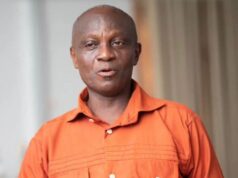
The former District Chief Executive of the New Juaben Municipality, Nana Adjei Boateng, in an address said in spite of the successes chalked by the decentralisation process in the country, there are a number of challenges confronting the country in promoting greater citizen participation in local governance processes.
He was therefore optimistic that allowing citizens to elect MMDCEs on partisan basis would promote local democracy since it would afford the people the opportunity to choose their own leaders.
“By this process, MMDCEs will be more responsive and directly accountable to the people, give meaning to popular participation in governance by allowing MMDCEs to truly represent the central government as required by law,” he added.
The Dean of studies and Research at the Institute of Local Government studies, Dr Eric Oduro Osae, on his part said allowing chief executives of local assemblies to be elected would push potential candidates to campaign on manifestoes that would spell out the development projects they would implement with the government’s Common Fund.
“So if at the end of the day, the Common Fund is not coming, we will get some chief executives who will be lashing out and may be taking the government to court so that they can get the fund to deliver on their manifesto promises.
Adding that, “because the people queued to elect the District Chief Executives, they ( the District Chief Executives) will give the people the needed respect, recognition and be accountable rather than the current arrangement where because they are appointed by the President they think it is difficult for any citizen to hold them accountable”.
Dr.Osae also indicated that though there was a provision in the local governance act that required the assemblies to vote no confidence in the chief executives, it was difficult to exercise that provision because one-third of the assembly are always appointed by the government.
A representative of the Department of International Development (DFID), Mrs Clara Boateng said the DFID believed strongly that the elections of MMDCs was one of the ambitious goals Ghana was pursuing to enhance local governance.
She, however, said the country needed vibrant civil society organisations that could catalyse both the national and local debate on inclusive development, amplify the voices of the marginalised and hold the government accountable to the people.
The event is being held on the theme “Promoting effective local governance through active citizenship: Emerging lesson and good practices brought together local government experts, representatives from International organisations such as the DFID, representatives from the Ministry of Local Government and rural Development, Civil Society Organisations among others.
Source: Dickson Boadi